
Easy DIY Wall Decor Ideas to Refresh Any Room
Plain walls can make a room feel unfinished, but decorating them does not have to be expensive or complicated. With a few basic supplies and some creativity, you can create attractive wall decor that reflects your style and makes your space feel more personal.
These easy DIY ideas work in living rooms, bedrooms, home offices, entryways, and even small corners that need a little extra character. Many projects can be completed in an afternoon, making them ideal for beginners.
1. Create a Simple Gallery Wall
A gallery wall is an easy way to display art, photographs, postcards, or meaningful objects. It can be carefully planned or arranged in a more relaxed style.
What you need
– Framed photos or artwork
– Paper for planning
– A pencil
– Measuring tape
– Picture hooks or removable hanging strips
Start by choosing a theme, color palette, or general style. You might use family photos, nature prints, travel images, or a mix of artwork and small decorative objects.
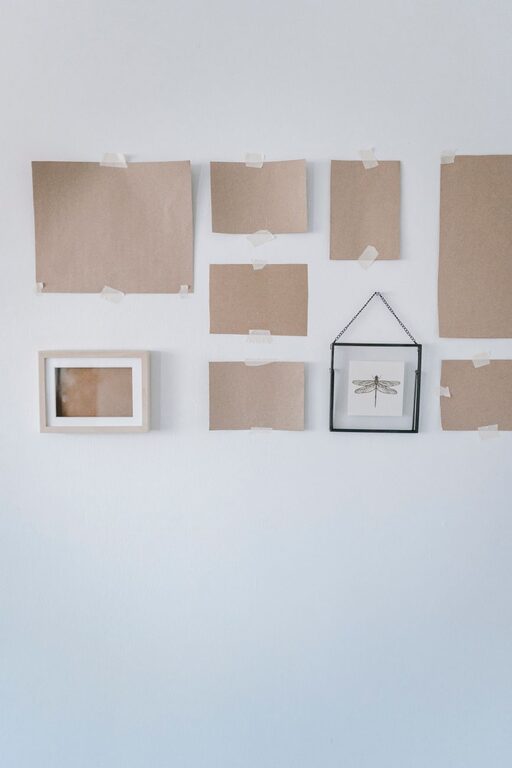
Before placing anything on the wall, arrange the frames on the floor. Try different layouts until you find one you like. You can also cut paper templates the size of each frame and attach them to the wall with painter’s tape. This makes it easier to adjust the arrangement before making holes.
Keep the spaces between frames fairly consistent for a neat appearance. For a more casual look, mix different frame sizes and shapes.
2. Paint an Accent Shape
You do not need to paint an entire wall to make an impact. A simple painted shape can create a colorful focal point behind a desk, bed, shelf, or reading chair.
Easy shapes to try
– Large circles
– Arches
– Half-moons
– Blocks of color
– Simple geometric patterns
– A painted headboard shape
Choose one or two colors that work with the furniture and textiles in the room. Use painter’s tape for straight lines. For curves, trace a bowl, plate, or large piece of cardboard, then carefully paint inside the outline.
For a soft, modern look, choose muted colors such as clay, sage, warm white, or dusty blue. If you want the wall to feel more energetic, try a brighter shade in a smaller area.
Allow each section to dry before adding another color. Remove painter’s tape while the paint is still slightly damp to help create cleaner edges.
3. Make a Fabric Wall Hanging
Fabric wall hangings add warmth, texture, and color without requiring advanced sewing skills. You can use a favorite fabric remnant, a scarf, a tea towel, or a piece of patterned cloth.
Cut the fabric into a rectangle or leave its original shape if it already looks finished. Attach the top edge to a wooden dowel using fabric glue, clips, or a few small stitches. Tie cord or ribbon to both ends of the dowel so it can hang from a hook.
For extra texture, add yarn, ribbon, tassels, or wooden beads. You can also layer two fabrics with different patterns for a more interesting design.
This project works especially well above a bed, console table, or small reading area.
4. Display a Collection of Baskets
Decorative baskets can bring natural texture to a blank wall while also highlighting handmade details. Look for baskets in different sizes, shapes, and patterns, or use baskets you already own.
Arrange them on the floor first. Consider placing one larger basket in the center and smaller ones around it, or create a flowing arrangement that moves across the wall.
Use secure hooks suited to the wall surface and the weight of the baskets. If the baskets are lightweight, removable strips may be enough. For heavier pieces, use appropriate wall anchors.
This idea is particularly useful in entryways, dining spaces, and living rooms with natural or relaxed decor.
5. Build a Picture Ledge
A picture ledge gives you a flexible way to display artwork without hanging every frame individually. It also allows you to change your decor whenever you like.
You can purchase a simple wooden shelf or make one from a board, a narrow front rail, and basic hardware. Sand the wood and leave it natural, or paint it to match the room.
Place larger frames at the back and lean smaller frames in front. Add a small plant, candle holder, or decorative object to create depth. Avoid overcrowding the ledge so each piece remains easy to see.
Picture ledges are ideal for renters or anyone who enjoys changing artwork throughout the year.
6. Turn Everyday Objects Into Wall Art
Some of the most interesting wall decor begins with ordinary items. Look around your home for objects with appealing colors, shapes, or textures.
Items that can work well
– Vintage kitchen tools
– Hats
– Woven fans
– Wooden cutting boards
– Decorative plates
– Musical instruments
– Pressed leaves
– Small mirrors
– Postcards
Group similar items together for a coordinated display. For example, a collection of wooden boards can create a warm kitchen accent, while decorative plates can add color to a dining area.
Use hooks, plate hangers, or display clips that are designed for the item’s size and weight. Arrange objects at eye level and leave enough space between them to prevent the display from looking crowded.
7. Make Botanical Art
Botanical wall art is simple, affordable, and easy to customize. You can use pressed leaves, dried flowers, or printed plant illustrations.
To press leaves, place them between sheets of paper inside a heavy book for several days. Once dry, position them in inexpensive frames with a plain background. Arrange several small frames in a row or create a larger grouping.
Dried flowers can also be placed in shadow boxes or attached to thick paper. Choose plants with different shapes and textures, but handle them gently because dried materials can be fragile.
Keep botanical art away from damp areas and strong direct sunlight to help preserve its color.
8. Add a DIY Wall Grid
A wall grid can serve as both decoration and organization. It is useful above a desk, craft table, or family command center.
Start with a metal grid panel or make a simple version using thin wooden strips. Paint it black, white, or a color that fits your room. Add clips, small shelves, notes, photos, and lightweight decorations.
You can change the display whenever your needs change. Use it for inspiration in a creative space, reminders in a home office, or favorite photos in a bedroom.
Tips for Better Results
Before starting any wall project, consider the scale of the room and the size of the wall. Small decorations may disappear on a large empty surface, while an oversized arrangement can overwhelm a narrow area.
Keep these tips in mind:
– Use painter’s tape to test layouts before hanging items.
– Choose materials that complement the room’s existing colors.
– Mix textures to make the wall more interesting.
– Leave some open space so the display can breathe.
– Check the weight of each item before choosing hardware.
– Clean the wall first so tape and hooks adhere properly.
– Save leftover paint for small touch-ups.
DIY wall decor is a practical way to refresh your home without a major renovation. Whether you paint a bold shape, frame pressed leaves, or arrange a collection of baskets, the best projects are those that make your space feel more like your own. Start with one small wall, experiment with materials, and let your personal style guide the final design.