
How to Choose Comfortable Lighting for Every Room
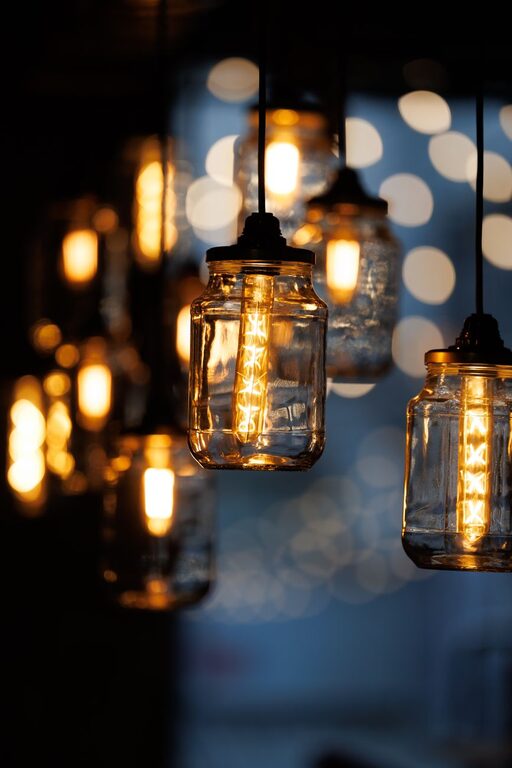
Good lighting can make a home feel warm, practical, and inviting. It helps you see clearly, supports everyday activities, and adds character to each room. However, choosing the right lighting is about more than picking attractive fixtures. Brightness, color, placement, and control all affect how comfortable a space feels.
The best approach is to use several types of lighting together. Instead of relying on one strong ceiling light, combine general lighting with task and accent lights. This creates a more balanced room and gives you flexibility throughout the day.
Understand the Three Main Types of Lighting
A comfortable lighting plan usually includes three layers: ambient, task, and accent lighting. Each has a different purpose.
Ambient lighting
Ambient lighting provides the main overall light in a room. It may come from:
– Ceiling fixtures
– Recessed lights
– Chandeliers
– Wall-mounted fixtures
– Floor lamps that spread light upward
Ambient lighting should make it easy to move around and complete basic activities without creating harsh shadows. In many rooms, it works best when the light is spread evenly rather than focused in one bright spot.
Task lighting
Task lighting is designed for specific activities. Examples include:
– A desk lamp for reading or computer work
– Under-cabinet lights for food preparation
– A bedside lamp for reading
– A mirror light for grooming
– A bright lamp near a hobby or craft area
Task lights should be positioned so they illuminate the work surface without shining directly into your eyes. Adjustable fixtures are especially useful because they let you direct light where it is needed.
Accent lighting
Accent lighting adds visual interest and highlights features in your home. You can use it to draw attention to:
– Artwork
– Bookshelves
– Architectural details
– Indoor plants
– Collections or decorative objects
Accent lighting does not need to be bright. Its purpose is to add depth and create a pleasant atmosphere. Small wall lights, picture lights, and directional lamps are common choices.
Choose the Right Brightness
Brightness affects both comfort and function. A light that is too dim can make tasks difficult, while a light that is too bright may feel harsh or glaring.
Consider how each room is used before choosing bulbs or fixtures. A kitchen may need stronger, more focused lighting than a bedroom. A living room may benefit from softer light that can be adjusted for different activities.
When comparing bulbs, look for the lumen rating. Lumens measure the amount of light a bulb produces. A higher lumen rating means a brighter bulb. Rather than choosing the brightest option available, select a level that suits the room and combine several fixtures when possible.
A few simple guidelines can help:
– Use even, moderate light for hallways and general movement.
– Add brighter task lighting in kitchens, offices, and work areas.
– Choose softer, adjustable lighting for bedrooms and relaxing spaces.
– Use multiple lower-output lights instead of one extremely bright fixture.
Pay Attention to Color Temperature
Color temperature describes whether light appears warm, neutral, or cool. It is measured in units called Kelvin, but you do not need to understand the technical details to make a good choice.
Warm light has a soft, golden appearance and is often comfortable in living rooms, dining rooms, and bedrooms. Neutral light looks closer to natural daylight and works well in kitchens, bathrooms, and home offices. Cool light has a crisp, bluish appearance and may be useful in specific work areas, although it can feel less relaxing in living spaces.
As a general guide:
– Warm light creates a cozy atmosphere.
– Neutral light supports clear visibility.
– Cool light can give a space a more energetic, task-focused feel.
Try to keep the color temperature consistent within the same room. Using bulbs with noticeably different tones can make the space feel uneven. You can use different color temperatures in separate rooms, but a home usually feels more connected when nearby spaces have a similar lighting style.
Reduce Glare and Harsh Shadows
Glare occurs when a light source is too bright or visible from an uncomfortable angle. It can make screens, glossy surfaces, and polished floors difficult to view. Harsh shadows can also make a room feel less welcoming.
To reduce these issues:
– Choose lamps with shades or diffusers.
– Avoid placing bare bulbs directly in your line of sight.
– Use frosted bulbs when appropriate.
– Position desk and reading lamps to the side rather than directly in front of you.
– Place overhead lights carefully so they do not cast strong shadows on work surfaces.
– Use curtains or shades to balance bright daylight with indoor lighting.
Fixtures with fabric, frosted glass, or other diffusing materials can soften the light. A dimmer switch is also helpful because it allows you to lower the intensity when full brightness is unnecessary.
Plan Lighting Room by Room
Each room has different lighting needs. Thinking about the main activities in each space makes the selection process easier.
Living room
Use a combination of floor lamps, table lamps, wall lights, and ceiling fixtures. Place lights near seating areas for reading or conversation. A lamp behind or beside a chair can provide useful task lighting without dominating the room.
Avoid placing every light around the edges of the room. A few lights at different heights can create a more balanced and comfortable effect.
Kitchen
The kitchen needs clear task lighting, especially above counters, sinks, and cooking areas. Under-cabinet lights can reduce shadows caused by overhead cabinets. A central ceiling fixture can provide general lighting, while pendant lights may add focused illumination over an island or table.
Choose easy-to-clean fixtures in areas exposed to cooking residue and moisture.
Bedroom
Bedrooms usually benefit from warm, gentle lighting. Bedside lamps are practical for reading and provide a softer alternative to the main ceiling light. Consider fixtures with separate controls so one person can use a lamp without lighting the entire room.
A dimmer or three-level bulb can make it easier to change the mood from getting dressed to relaxing.
Bathroom
Bathrooms need bright, even lighting for everyday routines. Lights placed on both sides of a mirror can reduce shadows on the face. If that is not possible, choose a fixture above the mirror that spreads light evenly.
Select fixtures designed for use in areas where moisture is present, and follow the manufacturer’s installation instructions.
Home office
A home office needs clear task lighting without glare on a computer screen. Place a desk lamp to the side of your dominant hand or on the opposite side of the desk to reduce shadows while writing.
Combine general room lighting with focused desk lighting so there is not a sharp contrast between a bright screen and a dark surrounding space.
Choose Controls That Fit Your Routine
Convenient controls make lighting more comfortable and efficient. Dimmers are useful in living rooms, dining rooms, bedrooms, and other spaces where brightness needs change throughout the day.
You can also consider:
– Three-way switches for controlling one light from two locations
– Motion sensors for closets, hallways, and utility areas
– Timers for outdoor or decorative lighting
– Smart bulbs with adjustable brightness and color settings
– Separate switches for different lighting layers
Place switches where they are easy to reach, especially near entrances and beside beds. Simple controls are often better than complicated systems if everyone in the household can use them comfortably.
Consider Scale, Style, and Placement
A fixture should suit the size of the room and the furniture around it. A small pendant may look lost above a large dining table, while an oversized fixture can overwhelm a narrow space.
Before buying, measure the area and consider:
– Ceiling height
– Table or counter size
– Walking paths
– Door and cabinet clearance
– The visual weight of nearby furniture
The fixture’s style also matters, but comfort should come first. Look for shades and designs that direct light appropriately rather than choosing an attractive fixture that produces glare or uneven illumination.
Test Before You Commit
Lighting can look different in a store, online photograph, and actual home. If possible, test bulbs in the room where they will be used. Observe them at different times of day and with the surrounding lights turned on.
Ask yourself:
– Is the light bright enough for the room’s main activities?
– Does it create glare on screens or shiny surfaces?
– Does the color feel warm or cool enough?
– Are there dark corners that need additional lighting?
– Can the brightness be adjusted easily?
A comfortable lighting plan does not need to be completed all at once. Start with the essential fixtures, then add lamps or accent lights as you learn how the room feels.
The most inviting homes use lighting that is layered, adjustable, and suited to everyday routines. By combining the right brightness, color, placement, and controls, you can create rooms that are both practical and relaxing.